
HMRC issues new fraud warning
HMRC is warning customers to be especially vigilant to fraudsters at this time of year due to the busy tax return season. What do you need to know?
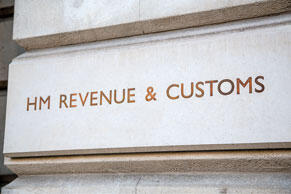
Fraud involving bogus contact purporting to be from HMRC is on the increase. Its latest press release, issued this week, reports that in the year to August 2022, over 180,000 cases of suspicious contact were referred to it. Nearly half of these were scams involving promises of fake tax refunds, designed to trick you into disclosing your bank details. In recent years, fraudsters are getting more brazen, often calling from numbers that genuinely look like HMRC. Upon answering (or checking a voicemail), you may be told that you need to urgently pay money or you will be arrested.
HMRC’s Director general for Customer Services said: “Never let yourself be rushed. If someone contacts you saying they’re from HMRC, wanting you to urgently transfer money or give personal information, be on your guard. HMRC will never ring up threatening arrest. Only criminals do that. Tax scams come in many forms. Some threaten immediate arrest for tax evasion, others offer a rebate. Contacts like these should set alarm bells ringing, so take your time and check HMRC scams advice on GOV.UK.”
Related Topics
-
HMRC speeds up National Insurance refunds
HMRC has confirmed that it is using a new automated process to speed up National Insurance refunds. Where its records suggest that someone may have overpaid, HMRC will write to them asking them to check their employment and contribution details before any refund is processed. Could you be due money back?
-
Should you voluntarily payroll benefits in kind?
The window to sign up to voluntarily payroll non-mandatory benefits in kind for 2027/28 will open in November. Is it worth volunteering to pay HMRC earlier than required or should you wait until it becomes mandatory in 2028/29?
-
Wise tax statement errors could affect 4,000 customers
Around 4,000 UK customers of financial services provider Wise have been told that tax statements issued between 2021 and 2025 contained incorrect figures. The errors could have resulted in taxpayers paying too much or too little income tax and capital gains tax (CGT). What should affected customers check?


 This website uses both its own and third-party cookies to analyze our services and navigation on our website in order to improve its contents (analytical purposes: measure visits and sources of web traffic). The legal basis is the consent of the user, except in the case of basic cookies, which are essential to navigate this website.